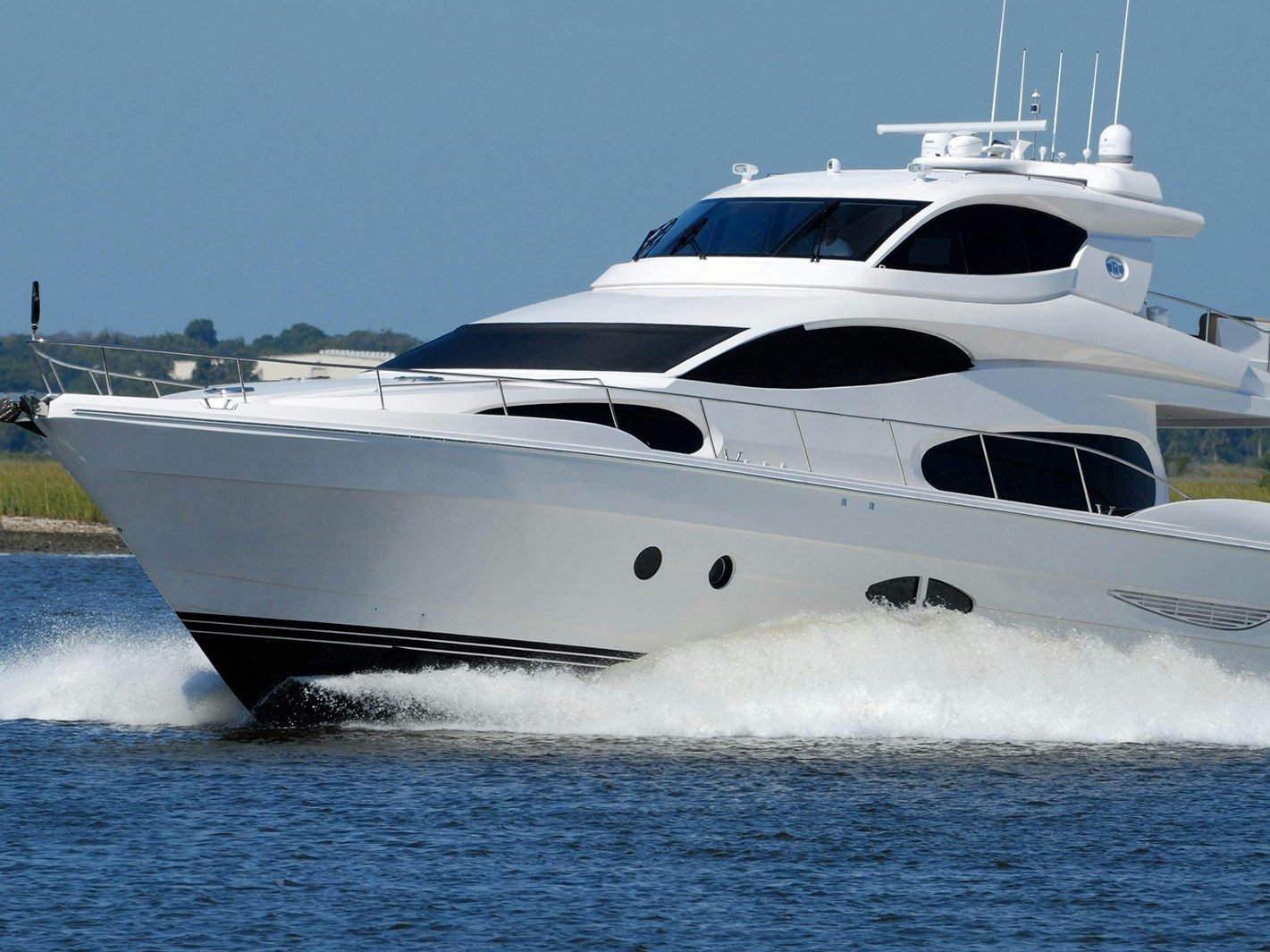
It was the first day of a charter in Corsica. Important guests aboard, champagne on deck, calm seas. But on the bridge, the captain noticed something strange: a faint odor coming from the hold. At first, he ignored it. Then, during a stop in a protected cove, a local marine inspector came aboard for a routine environmental check. He requested discharge records and checked the wastewater treatment system. Unfortunately, the filter was obsolete, not MARPOL compliant, and the latest maintenance report was missing. The result? A hefty fine, a terminated charter, a damaged reputation. All for a neglected water system.
This story isn’t an isolated case. It happens every year, in every sea around the world. But there’s a practical, immediate, and effective solution : rely on a structured approach like marine technical consulting, marine water air quality, and water and air management for yachts . There’s no point waiting for something to break: you can prevent it. And improve the comfort, safety, and value of your boat.
1. Fresh water must be more than “clean”: it must be safe.
The first common mistake? Believing that if tap water tastes normal, it’s automatically safe. This isn’t the case. Fresh water on board, especially if stored for a long time or in unsanitized tanks, can harbor dangerous bacteria like Legionella pneumophila . It thrives in stagnant environments, between 20 and 50°C—precisely the conditions found in a tank exposed to the summer sun.
The solution isn’t to replace the water every week, but to install an active treatment system : multi-stage filters, UV or ozone sterilization, and scheduled cleaning cycles. Thanks to water and air management for yachts , these processes are monitored in real time, avoiding health risks for guests and crew.
2. Grey and black water: it’s not “waste”, it’s a responsibility to be managed
Many people think that once they flush the toilet, the problem goes away. In reality, black water (from toilets) and gray water (from showers and sinks) require dedicated systems. Discharging them untreated into the sea not only violates regulations, but also pollutes coastal ecosystems, promoting toxic algae growth and harming wildlife.
The good news? Today, compact, MARPOL-certified purification systems exist that can transform wastewater into nearly pure water that can be safely discharged into open waters. They’re quiet, easy to install, and require little maintenance. The first step? You knew they existed. The second? Ask a marine technical consulting expert to verify your system’s compliance.
3. Regulations are not bureaucracy: they are your protection
Have you ever heard the saying, “No one can catch us in the open sea”? It’s a risky bet. The MARPOL Convention – Annex IV , the guidelines of the International Maritime Organization (IMO) , and certifications from bodies like RINA, DNV, or Lloyd’s Register aren’t mere formalities: they’re binding rules, with very heavy penalties.
You can be stopped in any European port—from Barcelona to Dubrovnik—and subjected to a surprise inspection. You must present: maintenance log, system certificate, and crew training. And if something’s missing? Vessel detention, fine, or charter suspension.
Marine technical consulting isn’t a cost: it’s insurance. It helps you design compliant systems, maintain up-to-date documentation, and train your crew. And most importantly: you can sleep soundly , knowing you’ll never be caught unprepared.
4. Technology yes, but without complicating life
How many times have you avoided an upgrade because it “adds complexity”? Today, smart systems are simpler than you think . Real-time digital monitoring tells you remotely: how much water you have in the tank, if a filter needs replacing, if there’s a leak. You can see it on a tablet or an app, without having to go down to the hold.
And certified marine biodegradable detergents reduce environmental impact without sacrificing effectiveness. Integrated into a marine water air quality system , these tools don’t complicate: they simplify. And they save time, energy, and money.
5. Sustainability = value, not just ethics
Some see water and air management for yachts as an environmental expense. But the value goes far beyond that.
For the owner , it means: higher resale value, fewer breakdowns, lower maintenance costs, and a stronger reputation — essential in luxury leasing.
For the crew , an efficient system reduces workload, prevents emergencies and improves safety on board.
For guests , it’s a matter of trust: knowing that the water is drinkable, the air is clean, and that the boat respects the environment, elevates the travel experience.
And for the charter market , it’s a competitive advantage : more and more customers are demanding green, certified, and responsible boats. And they’re finding them.
Managing water on board is simple, when you know how to do it.
The story we began with isn’t destined to repeat itself. You can avoid fines, negative inspections, and canceled charters—simply by acting sooner. Sustainable water management isn’t a technical option, but an essential practice for anyone who wants to navigate with peace of mind, professionalism, and respect.
Here’s what you need to do:
- Do a complete technical check of your water system.
- Choose modern and compliant technologies (MARPOL, IMO).
- Trust a specialized marine technical consulting firm : one that not only installs, but also designs, documents, and trains.
- Update your crew training: knowing how to use a system well makes all the difference.
- Continuous monitoring: With digital tools, don’t wait for something to break.
A well-managed boat isn’t more expensive: it’s smarter . And the sea, your guests, and your reputation will thank you for it.